
Grain-free cat food has become increasingly popular in recent years, with many pet owners believing it’s a healthier option for their feline companions. But is grain-free cat food really better? This article will delve into the science behind grain-free diets and help you make an informed decision. We’ll explore the potential benefits and drawbacks of grain-free cat food, as well as the role of grains in a cat’s diet.
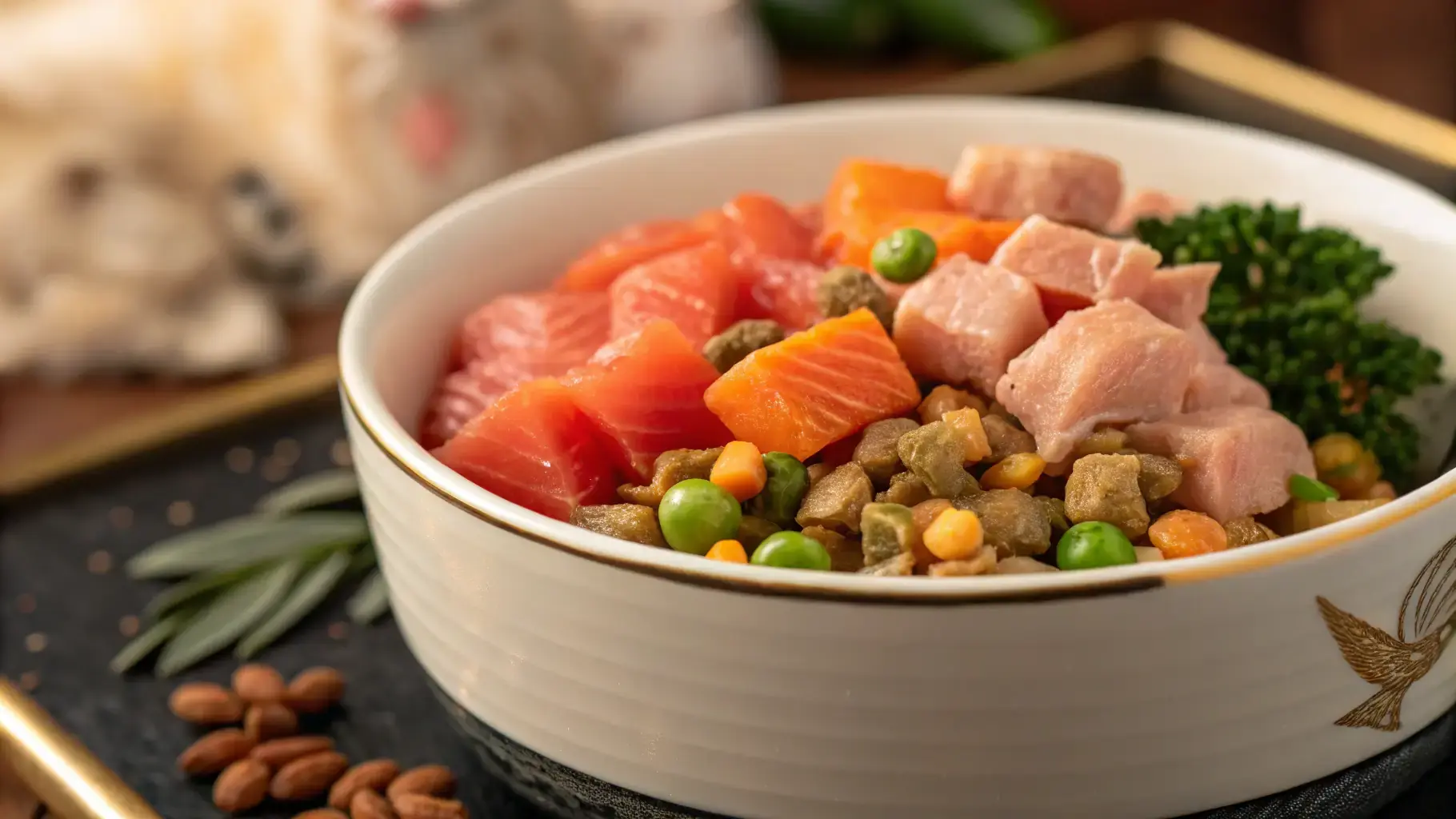
Grains, such as corn, wheat, and rice, are often used as fillers in cat food. Some argue that cats, being obligate carnivores, don’t need grains in their diet. However, grains can provide essential nutrients like fiber and carbohydrates. Grain-free cat food typically replaces grains with other sources of carbohydrates, such as potatoes, peas, and tapioca. These ingredients can be just as nutritious as grains, but it’s important to consider the overall nutritional profile of the food.
Ultimately, the best cat food is one that meets your cat’s individual needs and provides a balanced diet. Consult with your veterinarian to determine the best food for your cat, taking into account their age, breed, activity level, and any existing health conditions. A vet can help you navigate the complexities of cat nutrition and ensure that your feline friend is getting the nutrients they need to thrive.