Choosing the right food for your cat is one of the most important decisions you’ll make as a pet owner. With countless options available on the market, from premium grain-free formulas to budget-friendly kibble, finding the perfect nutrition for your feline companion can feel overwhelming. This comprehensive guide will walk you through everything you need to know about cat food, helping you make informed decisions that keep your cat healthy, happy, and thriving.
Table of Contents
Understanding Your Cat's Nutritional Needs
Cats are obligate carnivores, meaning they require nutrients found only in animal tissue to survive (MacDonald et al., 1984). Unlike dogs, who are omnivores, cats have evolved to derive their energy primarily from protein and fat rather than carbohydrates. This fundamental difference shapes every aspect of feline nutrition.
Essential nutrients cats need include
High-quality protein forms the foundation of feline nutrition, with adult cats requiring a minimum of 26% protein and kittens needing at least 30% (AAFCO, 2023). Taurine, an amino acid crucial for heart health and vision, must be obtained from the diet as cats cannot synthesize adequate amounts (Pion et al., 1987). Arachidonic acid, a fatty acid found only in animal fats, supports skin and coat health (Rivers et al., 1975). Unlike many animals, cats cannot convert beta-carotene from plants into vitamin A and must obtain it directly from animal sources (Morris, 2002). Cats also have limited ability to synthesize niacin, making this B vitamin essential in their diet (Baker, 2008). Finally, adequate moisture is critical since cats have evolved with a low thirst drive and historically obtained most of their water from prey (Plantinga et al., 2011).
Types of Cat Food: Understanding Your Options
Wet Cat Food (Canned)
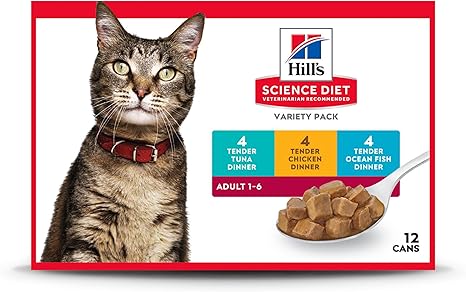
Wet food offers the highest moisture content, typically containing 75-85% water. This makes it excellent for cats who don’t drink enough water on their own, which is particularly important for urinary tract health and kidney function.
Wet food provides exceptional hydration support with its high moisture content, making it ideal for cats with urinary tract concerns or those who don’t drink enough water independently. The higher protein and lower carbohydrate content typically found in wet foods aligns well with feline nutritional needs, while the enhanced palatability makes it excellent for picky eaters and senior cats who may struggle with harder textures. Many cats find wet food more satisfying, feeling fuller on fewer calories, which makes it particularly valuable for weight management programs.
However, wet food comes with practical considerations including higher per-serving costs and the need for refrigeration after opening. Once served, wet food should be removed after 2-4 hours to prevent spoilage, making it less suitable for free-feeding schedules. While nutritionally superior in many ways, exclusive wet food feeding may contribute to dental tartar buildup since it doesn’t provide the mechanical cleaning action of crunching kibble.
Wet food comes in several textures to suit different preferences. Pâté offers a smooth, dense consistency that’s easy to digest, while chunks in gravy provide texture variety along with extra moisture. Shredded or flaked varieties offer a more natural texture that many cats instinctively prefer, and stews combine chunky pieces with vegetables in a nutritious broth.
Dry Cat Food (Kibble)
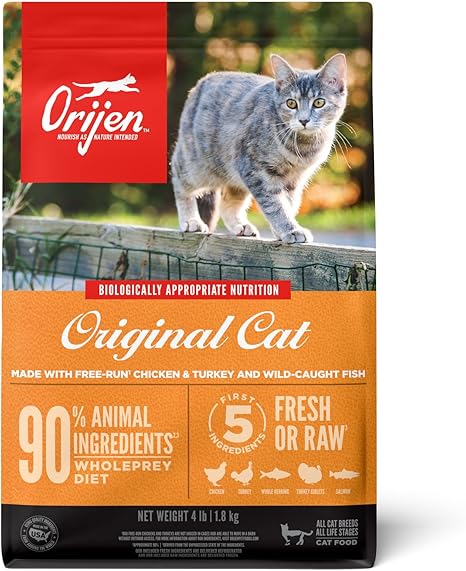
Dry food is convenient, cost-effective, and has a long shelf life. Modern premium dry foods have significantly improved in quality, with many offering excellent nutrition profiles.
Dry food excels in convenience and cost-effectiveness, with unopened bags maintaining quality for 12-18 months. The chewing action required for kibble can help maintain dental health, though this benefit varies depending on the cat’s chewing habits. Its higher calorie density makes it suitable for active cats, while the ease of measurement and storage appeals to busy pet owners. The stability of dry food also makes it ideal for free-feeding arrangements.
The primary drawbacks of dry food center around its low moisture content of 10-12%, which may not adequately support cats with urinary tract sensitivities. Dry foods often contain higher carbohydrate levels than wet alternatives, and the calorie density can contribute to overeating if portions aren’t carefully controlled. Additionally, some cats may swallow kibble without adequate chewing, reducing the intended dental benefits.
Kibble varieties include standard shapes like rounds or triangles, dental formulas with special textures designed to help clean teeth, and size variations. Large breed formulas feature bigger pieces to encourage chewing, while small breed options provide smaller, more manageable pieces for easier consumption.
Semi-Moist Food
Semi-moist foods contain 25-35% moisture, offering a middle ground between wet and dry options. These foods feature a soft, chewy texture that many cats enjoy, with convenient packaging in pouches or packets. However, they’re generally more expensive than dry food and often contain higher levels of sugar and preservatives. They’re less common in today’s market and may not provide significant dental benefits.
Raw and Freeze-Dried Options
Raw and freeze-dried foods have gained popularity among cat owners seeking to provide a more “natural” diet. These options aim to mimic what cats would eat in the wild while providing the convenience of commercial pet food.
Raw diets encompass commercial frozen formulations that are pre-made and balanced, freeze-dried options with moisture removed for shelf stability, and home-prepared meals that require careful nutritional planning. The appeal of raw feeding lies in its close mimicry of natural feline diets, featuring high protein and low carbohydrate content without the nutrient-destroying heat of traditional processing. Many owners report improvements in coat quality, reduced waste production, and increased energy levels in their cats.
Raw feeding requires careful consideration of several factors. The higher cost compared to conventional foods must be weighed against potential benefits, while proper handling protocols are essential to prevent bacterial contamination. Nutritional imbalances can occur if diets aren’t properly formulated, and raw foods aren’t recommended for immunocompromised cats. Practical considerations include adequate freezer space, thawing time, and potential safety concerns in households with young children or elderly individuals.
Dehydrated Food
Dehydrated cat food uses low heat to remove moisture while preserving nutrients.
Characteristics:
Requires rehydration with water before serving
Retains more nutrients than traditional kibble processing
Lightweight and compact for storage
Longer shelf life than raw food
More expensive than conventional dry food
Fresh/Refrigerated Food
Fresh or refrigerated foods represent a growing category of commercially prepared options that are gently cooked and require refrigeration. These minimally processed foods feature recognizable ingredients with short shelf lives measured in days to weeks. While more expensive than traditional options and often sold through subscription services, they provide balanced nutrition without raw feeding risks and appeal to owners seeking “human-grade” ingredients.
Prescription/Therapeutic Diets
Prescription or therapeutic diets are specially formulated to support specific health conditions. Common formulations include urinary health diets with modified mineral content to prevent crystals, kidney support foods with reduced protein and phosphorus, and digestive health options featuring easily digestible proteins and prebiotics. Weight management formulas provide reduced calories with increased fiber, while food allergy diets offer limited ingredients or hydrolyzed proteins. Dental health formulas feature special kibble textures designed to reduce tartar buildup.
These specialized diets should only be used under veterinary supervision and aren’t appropriate for healthy cats unless specifically recommended. They often require gradual transition periods and may be available exclusively through veterinary clinics.
Choosing the Perfect Food for YOUR Pet (The Most Important Section)
The best food type depends on several factors. Wet food works particularly well for cats who don’t drink much water, have urinary tract issues, need to lose weight, are seniors with dental problems, or tend to be picky eaters. Dry food suits situations where convenience is important, budget constraints exist, food needs to be left out during the day, or when cats particularly enjoy crunching kibble.
Many veterinarians recommend a combination approach using both wet and dry food, or primarily wet food with some dry food for convenience. The strategy may involve transitioning between types based on life stage and evolving health needs. The key is finding a high-quality option within your chosen category that meets your cat’s individual nutritional needs and preferences.
Life Stage Nutrition
Kitten Food (0-12 months)
Kittens require significantly more calories, protein, and fat than adult cats to support their rapid growth and development. Kitten food should contain at least 30% protein and 9% fat. The higher calorie density helps fuel their rapid growth spurts and high energy levels.
Adult Cat Food (1-7 years)
Adult cats need a balanced diet that maintains their weight and supports overall health. Look for foods with at least 26% protein and appropriate fat levels based on your cat’s activity level.
Senior Cat Food (7+ years)
Senior cats may benefit from easily digestible proteins, joint support supplements, and adjusted calorie levels to prevent weight gain as metabolism slows. Many senior formulas also include antioxidants to support cognitive function and immune health.
Special Dietary Considerations
Indoor vs. Outdoor Cats
Indoor cats typically require fewer calories due to lower activity levels. Many brands offer specific indoor formulas with adjusted calorie content and added fiber to support healthy digestion.
Weight Management
Obesity affects 61% of cats in the United States, according to the 2022 survey by the Association for Pet Obesity Prevention (APOP, 2022). Weight management foods are formulated with reduced calories while maintaining essential nutrients. These formulas typically feature increased fiber to help cats feel full while consuming fewer calories.
Food Allergies and Sensitivities
Common allergens for cats include chicken, beef, fish, and dairy (Mueller et al., 2016). Limited ingredient diets can help identify and manage food allergies. These specialized diets typically feature a single protein source and minimal additional ingredients to reduce the likelihood of triggering allergic reactions.
Ingredient Quality and What to Look For
When examining cat food labels, prioritize named meat sources like chicken, salmon, or turkey as the first ingredient, along with minimal processing and artificial additives. Quality foods avoid unnamed meat by-products, limit carbohydrate sources, and include added vitamins and minerals for complete nutrition.
Foods to avoid include those with excessive fillers like corn, wheat, or soy, artificial colors and preservatives such as BHA, BHT, or ethoxyquin, and generic terms like “meat meal” or “poultry by-product meal.” High ash content over 8% should also be avoided as it may indicate lower quality ingredients.
Reading Cat Food Labels
Understanding pet food labels requires familiarity with key elements set by AAFCO standards. The Guaranteed Analysis shows minimum percentages of protein and fat alongside maximum percentages of fiber and moisture. The AAFCO Statement indicates whether the food meets nutritional standards for specific life stages, while the Ingredient List appears in descending order by weight. Feeding Guidelines provide starting points for portion sizes, though adjustments based on your cat’s individual needs are typically necessary.
Transitioning Between Foods
When changing your cat’s food, do so gradually over 7-10 days to prevent digestive upset:
- Days 1-2: 75% old food, 25% new food
- Days 3-4: 50% old food, 50% new food
- Days 5-6: 25% old food, 75% new food
- Days 7+: 100% new food
Monitor your cat for any signs of digestive upset during the transition period.
Common Cat Food Myths Debunked
Myth: Cats need a grain-free diet Truth: While cats don’t require grains, quality grains can be part of a balanced diet. The grain-free trend was largely marketing-driven rather than nutritionally necessary (Freeman et al., 2013).
Myth: By-products are always bad Truth: Named by-products (like chicken liver) can be highly nutritious. Avoid unnamed by-products or those from unknown sources (Case et al., 2011).
Myth: More protein is always better Truth: While cats need high protein, excessive protein can strain the kidneys, especially in senior cats or those with kidney disease (Laflamme & Hannah, 2013).
Myth: Wet food causes dental problems Truth: Dry food’s dental benefits are minimal. Regular dental care and appropriate treats are more effective for dental health (Logan, 2006).
Signs Your Cat Food is Working
A well-fed cat displays several positive indicators including a shiny, healthy coat, bright and clear eyes, appropriate weight maintenance, good energy levels, healthy bowel movements, and pleasant breath without strong odors. These signs collectively indicate that the chosen diet is meeting your cat’s nutritional needs effectively.
When to Consult Your Veterinarian
Consult your veterinarian about your cat’s diet if you notice sudden weight loss or gain, changes in appetite, digestive issues, dull coat or skin problems, low energy or behavioral changes, or any chronic health conditions. These symptoms may indicate that dietary adjustments are needed or that underlying health issues require attention.
Conclusion
Choosing the right cat food is an investment in your feline friend’s long-term health and happiness. While the options may seem endless, focusing on your cat’s individual needs, life stage, and any special health considerations will guide you toward the best choice. Remember that the most expensive food isn’t necessarily the best for your cat – the ideal food is one that meets their nutritional needs, fits your budget, and keeps them healthy and satisfied.
Start by understanding your cat’s specific requirements, monitor their response to any dietary changes, and don’t hesitate to consult with your veterinarian for personalized recommendations. With the right nutrition, your cat can enjoy a long, healthy, and happy life by your side.
Always consult with your veterinarian before making significant changes to your cat’s diet, especially if your cat has health conditions or special dietary needs.
References
AAFCO (Association of American Feed Control Officials). (2023). Official Publication 2023. Association of American Feed Control Officials Inc.
Association for Pet Obesity Prevention. (2022). 2022 Pet Obesity Survey. Retrieved from https://www.petobesityprevention.org/2022
Baker, D. H. (2008). Animal models in nutrition research. Journal of Nutrition, 138(2), 391-396.
Case, L. P., Carey, D. P., Hirakawa, D. A., & Daristotle, L. (2011). Canine and Feline Nutrition: A Resource for Companion Animal Professionals (3rd ed.). Mosby Elsevier.
Freeman, L. M., Chandler, M. L., Hamper, B. A., & Weeth, L. P. (2013). Current knowledge about the risks and benefits of raw meat–based diets for dogs and cats. Journal of the American Veterinary Medical Association, 243(11), 1549-1558.
Laflamme, D. P., & Hannah, S. S. (2013). Discrepancy between use of lean body mass or current body weight to determine metabolic body size and energy requirements in cats. Journal of Feline Medicine and Surgery, 15(8), 691-697.
Logan, E. I. (2006). Dietary influences on periodontal health in dogs and cats. Veterinary Clinics of North America: Small Animal Practice, 36(6), 1385-1401.
MacDonald, M. L., Rogers, Q. R., & Morris, J. G. (1984). Nutrition of the domestic cat, a mammalian carnivore. Annual Review of Nutrition, 4(1), 521-562.
Morris, J. G. (2002). Idiosyncratic nutrient requirements of cats appear to be diet-induced evolutionary adaptations. Nutrition Research Reviews, 15(1), 153-168.
Mueller, R. S., Olivry, T., & Prélaud, P. (2016). Critically appraised topic on adverse food reactions of companion animals (2): common food allergen sources in dogs and cats. BMC Veterinary Research, 12(1), 9.
Pion, P. D., Kittleson, M. D., Rogers, Q. R., & Morris, J. G. (1987). Myocardial failure in cats associated with low plasma taurine: a reversible cardiomyopathy. Science, 237(4816), 764-768.
Plantinga, E. A., Bosch, G., & Hendriks, W. H. (2011). Estimation of the dietary nutrient profile of free-roaming feral cats: possible implications for nutrition of domestic cats. British Journal of Nutrition, 106(S1), S35-S48.
Rivers, J. P., Sinclair, A. J., & Crawford, M. A. (1975). Inability of the cat to desaturate essential fatty acids. Nature, 258(5531), 171-173.